How Much Does Snow Weigh on a Roof? A Data Study
A data-driven look at snow density, from 3 pcf powder to 30 pcf wet snow, and how each translates into roof load in psf.
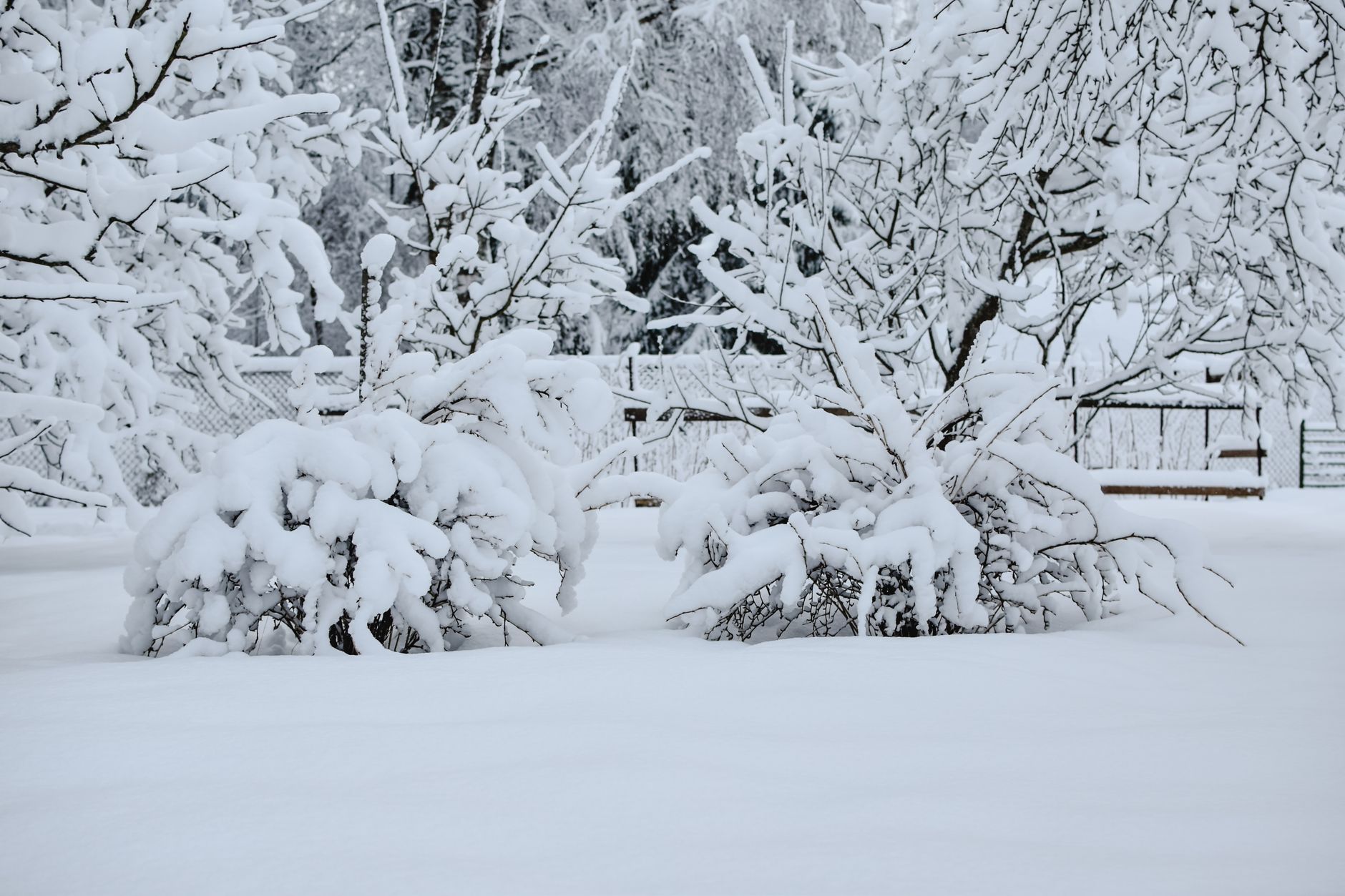
- ›Snow weight depends on density, not depth alone: fresh powder runs 3-5 pcf while old, wet, compacted snow can reach 20-30 pcf.
- ›ASCE 7-22 estimates settled snow density with gamma = 0.13 x Pg + 14 psf per foot, capped at 30 pcf.
- ›A foot of powder at 5 pcf is 5 psf, but a foot of wet snow at 20 pcf is 20 psf, four times the load for the same depth.
- ›Repeated snow events without a thaw compact and densify over the season, so late-winter snowpack is heavier per foot than a single fresh storm.
- ›The number that matters for a permit is the design roof snow load, not a raw density estimate taken off the roof.
A foot of snow is not a fixed weight. Fresh powder at 3 pcf and old, wet, wind-packed snow at 30 pcf can both measure a foot deep, yet one weighs six to ten times more than the other. That difference is the reason "we got two feet of snow" tells you almost nothing about whether a roof is in danger, and why ASCE 7-22 builds a density formula directly into its snow load equations rather than relying on depth. This data study lays out the actual density ranges, works through several examples, and shows how they tie back to the single number that matters for a permit: the design roof snow load.
Why depth alone doesn't tell you the weight
Snow is mostly trapped air. A single snowflake is intricate and full of empty space, and fresh powder can be well over 90 percent air by volume. As snow sits, several things push the air out: its own weight compacts the layers below, freeze-thaw cycles melt and refreeze the crystals into denser grains, and wind can pack a drift far tighter than an equal depth of undisturbed snow. Rain falling on snow adds water directly into the pack, which is the densest addition of all. The result is that a storm's initial snowfall and the snowpack sitting on a roof three weeks later, after a thaw and a refreeze, are two very different materials even at the same measured depth. That is why professionals never estimate roof load from a tape measure alone. They need density, and density depends on how old, how wet, and how wind-affected the snow is, not just how tall the pile looks against a fence post.
Snow density, from fresh powder to old wet snow
Density varies more than most people expect. The table below lays out typical ranges for common snow conditions, along with the load a single foot of that snow places on a roof, since load per foot of depth is just density expressed in the units that matter for design. The spread is enormous: a foot of dry powder from a cold, low-humidity storm can be as light as 3 psf, while a foot of wet, settled, late-season snow can be seven to ten times heavier at 20-30 psf. Rain-soaked snow, sometimes called slush once it starts to lose its structure, sits at the top of the range and is one of the most dangerous roof conditions there is, because it adds real liquid water weight on top of an already-compacted pack. ASCE 7-22 caps its design density assumption at 30 pcf, treating anything denser as a special case a site-specific evaluation should catch.
How ASCE 7 estimates settled snow density
Rather than asking designers to guess a density for their region, ASCE 7-22 ties it to the same ground snow load, Pg, used everywhere else in the calculation: gamma = 0.13 x Pg + 14 (psf per foot of depth), capped at 30 pcf.
The logic is straightforward: places with a high ground snow load get more snow events piling up over a season, more compaction, and typically wetter storms near the higher end of the range, so the formula scales density up with Pg. A location with Pg = 20 psf gets an estimated density of 0.13 x 20 + 14 = 16.6 pcf, closer to the light end of the settled-snow range. A location with Pg = 90 psf gets 0.13 x 90 + 14 = 25.7 pcf, close to the wet, compacted end. This density feeds directly into the flat-roof snow load equation and the drift surcharge calculation, so it is not just a curiosity: it is baked into the number your roof is designed to carry.
Worked examples: turning depth into load
The math is simple once you have a density: load equals density times depth. A few examples show how much that density choice changes the answer.
One foot of fresh powder at 5 pcf: 5 pcf x 1 ft = 5 psf, light, and rarely a concern on its own. One foot of wet, settled snow at 20 pcf: 20 pcf x 1 ft = 20 psf, the same depth, four times the load. Two feet of moderately settled snow at 15 pcf: 15 pcf x 2 ft = 30 psf, already near or above many residential design loads in lighter-snow regions. Eighteen inches, or 1.5 ft, of wet snow at 25 pcf, the kind you get after a heavy coastal storm followed by a thaw: 25 pcf x 1.5 ft = 37.5 psf, a load that can exceed the design capacity of an older roof built to a lower code-era snow load.
These examples use round numbers for clarity, but the takeaway holds in every case: never estimate roof risk from depth alone. A shallow layer of dense, wet snow can outweigh a much deeper pile of dry powder.
Why late-season snowpack is heavier than a fresh storm
A single storm's snow starts light and gets heavier the longer it sits, assuming it does not melt away entirely. Each subsequent snowfall adds its own weight on top and compresses the layers below. Daytime thaws followed by nighttime refreezes turn loose crystals into denser, more consolidated ice grains, a process sometimes called firnification when it goes on long enough. Wind continues to redistribute and pack snow throughout the season, especially into drifts. The practical result: a roof that safely carried three feet of fresh powder in December can be in real trouble with two feet of dense, aged snowpack in March, even though the depth measurement went down. This is exactly why FEMA's snow load safety guidance recommends periodic reassessment through the winter rather than a single check after the first big storm, and why "it's less deep than it was" is not the same as "it's lighter than it was."
How does this connect to my roof's design snow load?
Density is the missing link between a storm report and a structural number. Your roof's design roof snow load, calculated from ASCE 7-22's flat-roof equation Pf = 0.7 x Ce x Ct x Is x Pg, already accounts for a design-basis snow density appropriate to your ground snow load Pg. That is the number your structure is supposed to be able to carry, expressed directly in psf rather than in feet of snow. To check current conditions against it, you need to convert what is actually on the roof, using a density estimate like the ones in this article, into psf, then compare that figure to your design load. RoofHelm's calculator gives you the design number for your location and roof; from there, the density table above lets you estimate what a given storm has actually added.
How can I estimate snow weight on my roof right now?
Measure the depth in a few spots, since it is rarely uniform, especially near drifts, then judge whether the snow is light and fluffy, moderately packed, or wet and heavy, using the density ranges in the table above as a guide. Multiply your best density estimate by the depth to get a rough psf figure, then compare it to your roof's design load if you know it. This is a planning estimate, not a substitute for a structural inspection: if you see sagging, cracking, popping, or doors and windows binding, treat that as a warning sign regardless of what the math says, and get the snow off safely from the ground or call a professional rather than climbing onto a loaded roof.
| Snow type | Density (pcf) | Load per foot of depth (psf) | Typical condition |
|---|---|---|---|
| Fresh dry powder | 3-5 | 3-5 | Cold, low-humidity storm, freshly fallen |
| Average settled snow | 10-15 | 10-15 | A few days old, some compaction |
| Old settled snow | 15-20 | 15-20 | One to several weeks old, freeze-thaw cycles |
| Wet, compacted snow | 20-30 | 20-30 | Late-season or coastal storm, high moisture content |
| Rain-soaked snow / slush | 30+ | 30+ | Rain on existing snowpack; ASCE 7-22 caps design density at 30 pcf |
Get your design roof snow load in seconds with the free ASCE 7-22 calculator.
Open the calculatorFrequently asked
01Is a foot of snow always about the same weight?+
No. Density can vary by a factor of six to ten between fresh powder and old, wet, compacted snow. A foot of dry powder might weigh 3-5 psf while a foot of wet, late-season snow can weigh 20-30 psf. Depth alone is not a reliable guide to roof load.
02Why does ASCE 7-22 cap snow density at 30 pcf?+
The formula gamma = 0.13 x Pg + 14 would keep climbing for very high ground snow loads, but real settled snow does not get meaningfully denser than about 30 pcf under normal conditions without turning into ice. The cap keeps the estimate realistic for high-Pg mountain and northern locations.
03Does rain make snow heavier?+
Yes, significantly. Rain falling on an existing snowpack soaks into the pore spaces between snow grains, adding real liquid water weight rather than just compacting the snow. This is exactly the scenario ASCE 7-22's rain-on-snow surcharge accounts for on low-slope roofs in mild-winter regions.
04How is roof snow load different from the density figures in this article?+
The density figures here estimate the weight of snow currently sitting on a roof. Roof snow load is the design number, in psf, that your structure was engineered to carry under ASCE 7-22, calculated from your location's ground snow load and roof characteristics rather than a single storm's density.