Snow load guides

An honest comparison of the ASCE 7 Hazard Tool, generic web tools, and RoofHelm's own calculator for finding your roof snow load.

Learn what ACCA Manual J is, why oversizing HVAC equipment backfires, and see a worked planning-estimate example matching RoofHelm's calculator.

How US jurisdictions adopt ASCE 7-22, why it changes ground snow load values, and how to confirm which code edition governs your project.

See DOE climate zone attic R-value targets, R-per-inch data for eight insulation types, and two worked examples for sizing your attic job.

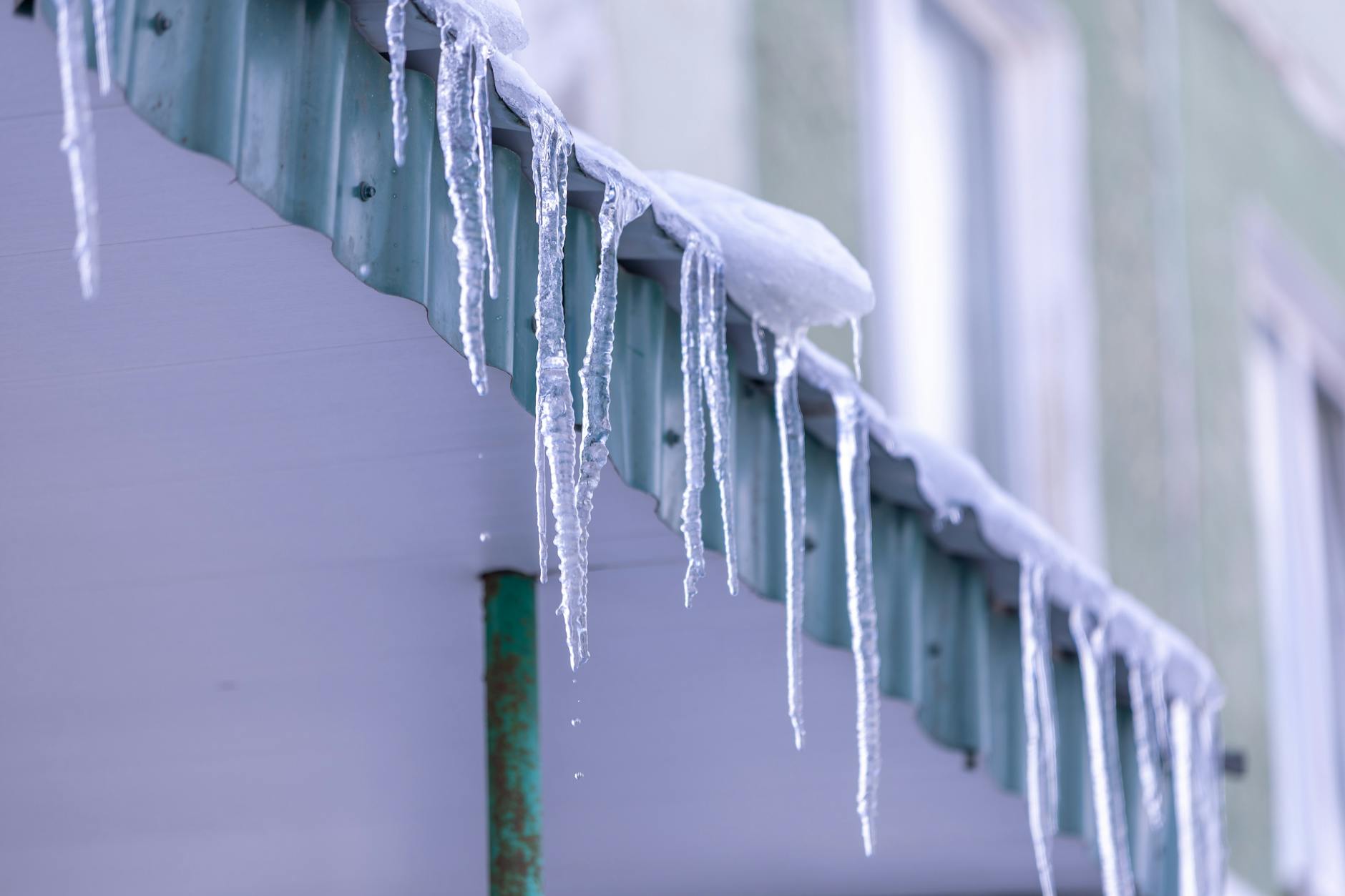
Ice dams form from heat loss, not weather alone. How they build, why they add real weight to your eave, and the air-sealing checklist that stops them.
Two measurements and a density lookup turn the snow on your roof into a real psf number you can compare to your design load.
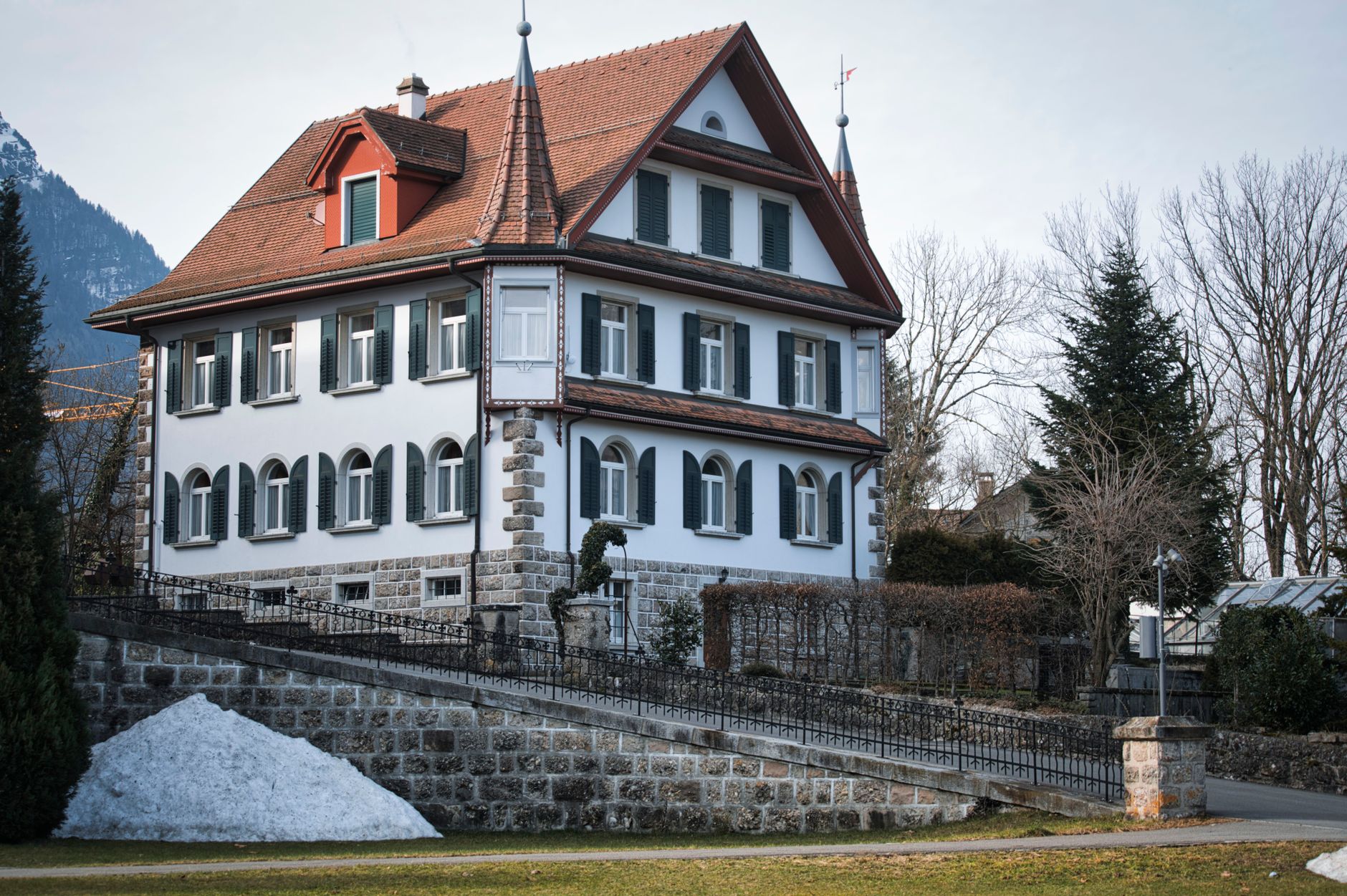
Why wind loads one side of a gable roof more than the other, the ASCE 7 section 7.6 formula, and why ridgeboards are especially vulnerable.
Full ASCE 7-22 reference tables for the exposure (Ce), thermal (Ct), and importance (Is) factors, plus a worked example that threads them together.
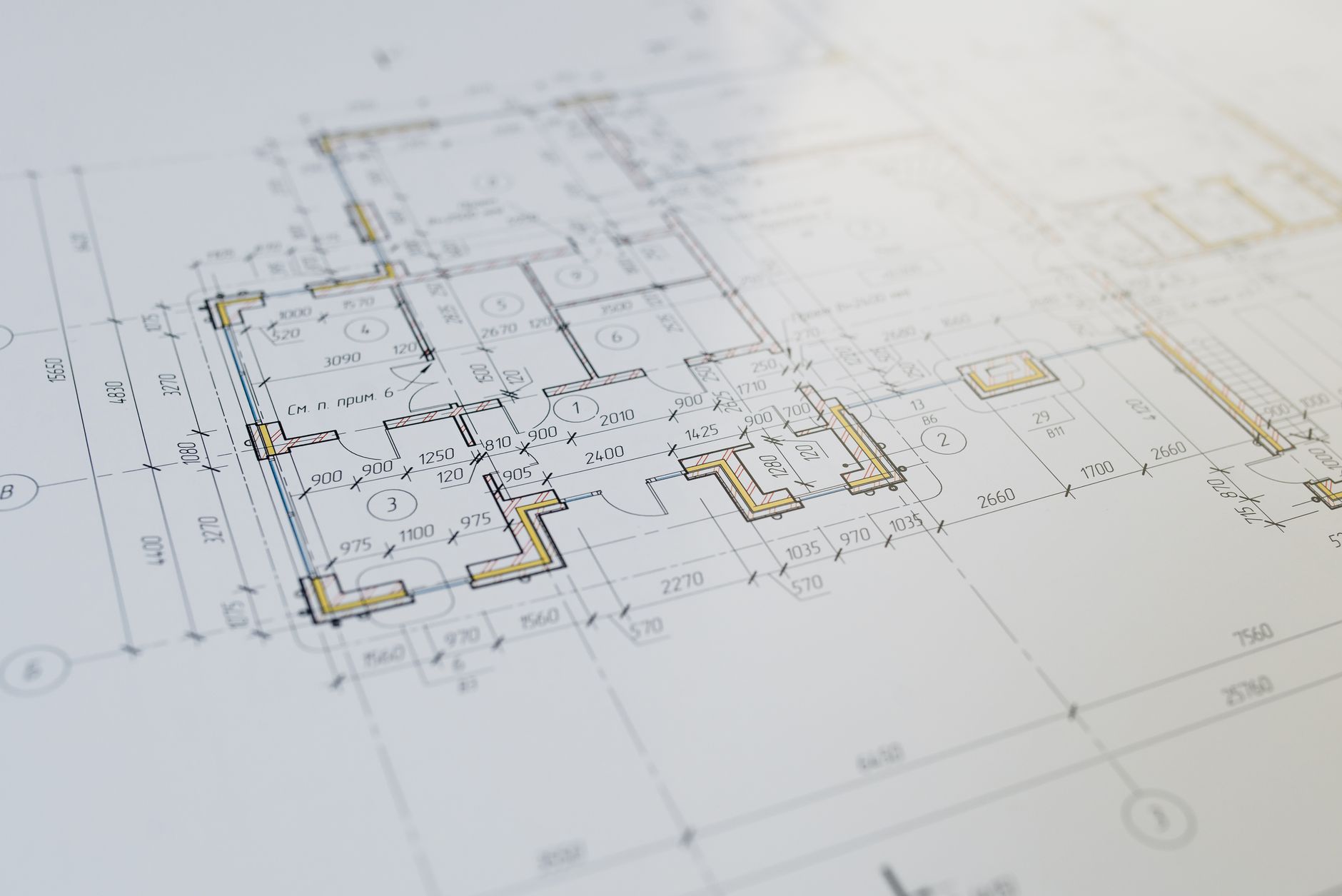
What a PE stamp legally means, when you need one, what it costs, and how RoofHelm's calculator fits into, not replaces, that process.

Find out how many roof trusses a building needs with the count formula, a worked example, and a table across common lengths and spacing.

Five ASCE 7-22 flat-roof snow load calculations across a house, garage, warehouse, hospital, and greenhouse, with every factor and the governing case.
Your ZIP code sets your starting ground snow load, but the real design number takes a few more steps. Here's the full path, explained.

Flat roofs get no shedding help from slope, plus rain-on-snow and ponding risk. The load cases to check and a winter maintenance checklist.
Ground snow load and roof snow load are different numbers connected by one equation. See the side-by-side comparison and worked examples.
Seven factors that set steel building cost per square foot, from clear-span width to engineered load certification and site prep.

Compare rafters and trusses on cost, lead time, span, attic space, and field flexibility, with a decision table for common project types.
In regions with Pg of 40 psf or more, the balanced load is only the starting point. Every governing ASCE 7 load case, checked, in one reference.
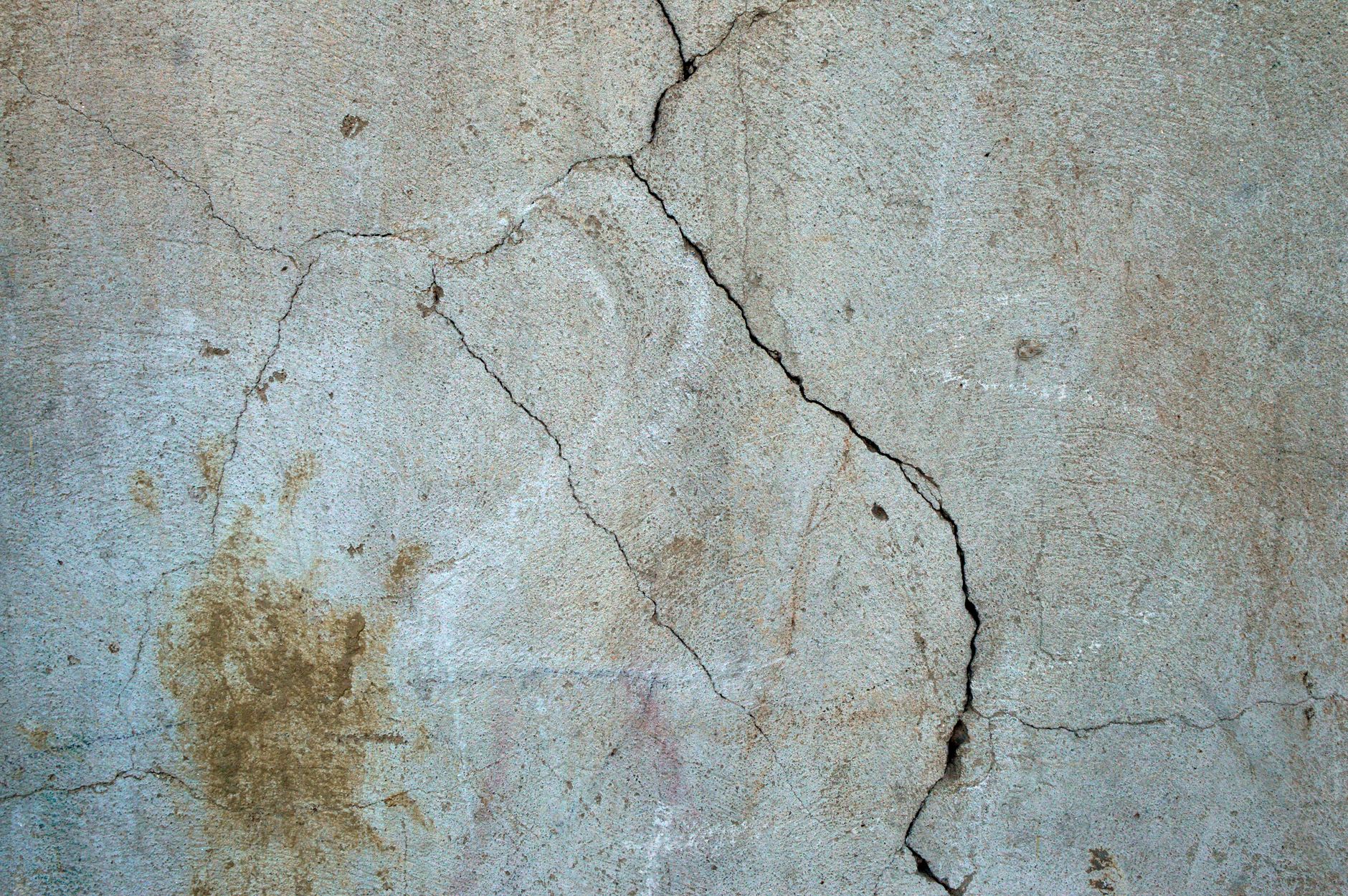
Sagging ceilings, sticking doors, and cracking sounds are how a stressed roof talks before it fails. Here's how to read them and act fast.
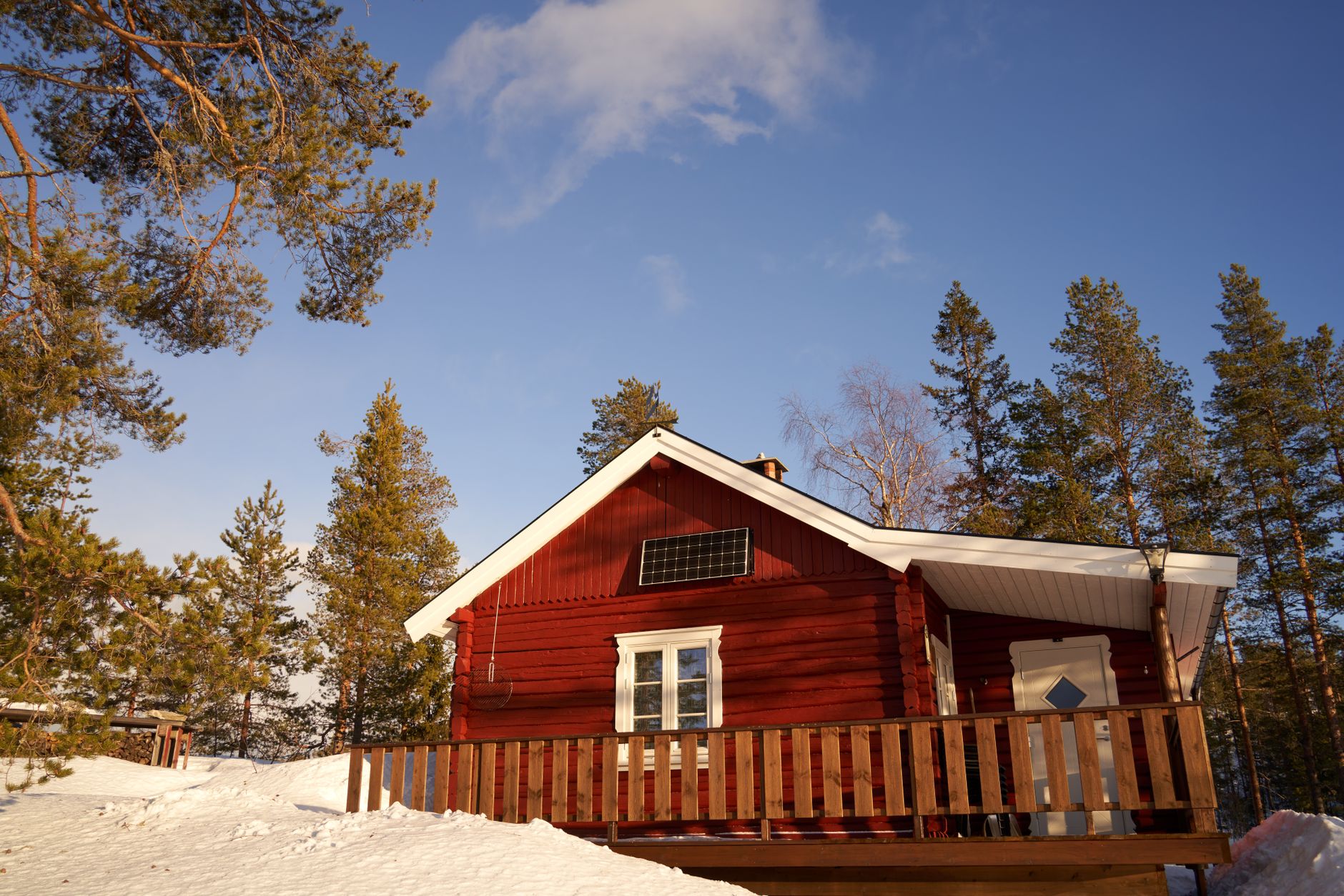
How rooftop solar changes roof snow load: added dead load, drift behavior between rows, and a worked example for snow-country installs.
ASCE 7-22 changed how ground snow load is determined, moving to a reliability-targeted, site-specific model. Here's what designers need to know.
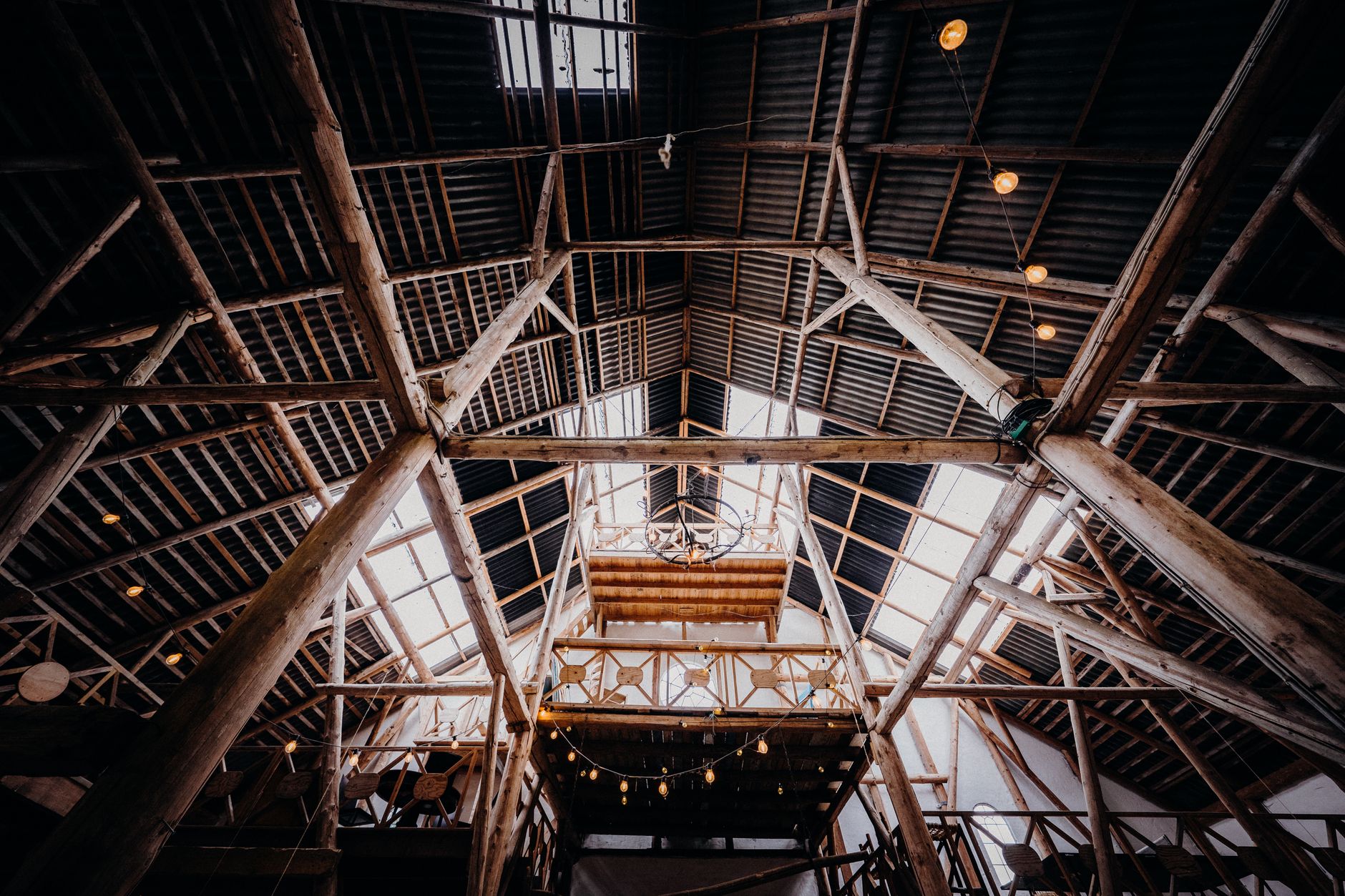
A worked cost estimate for a 40x60 pole barn: post spacing, footing depth, shell cost ranges, and how design snow load changes the price.
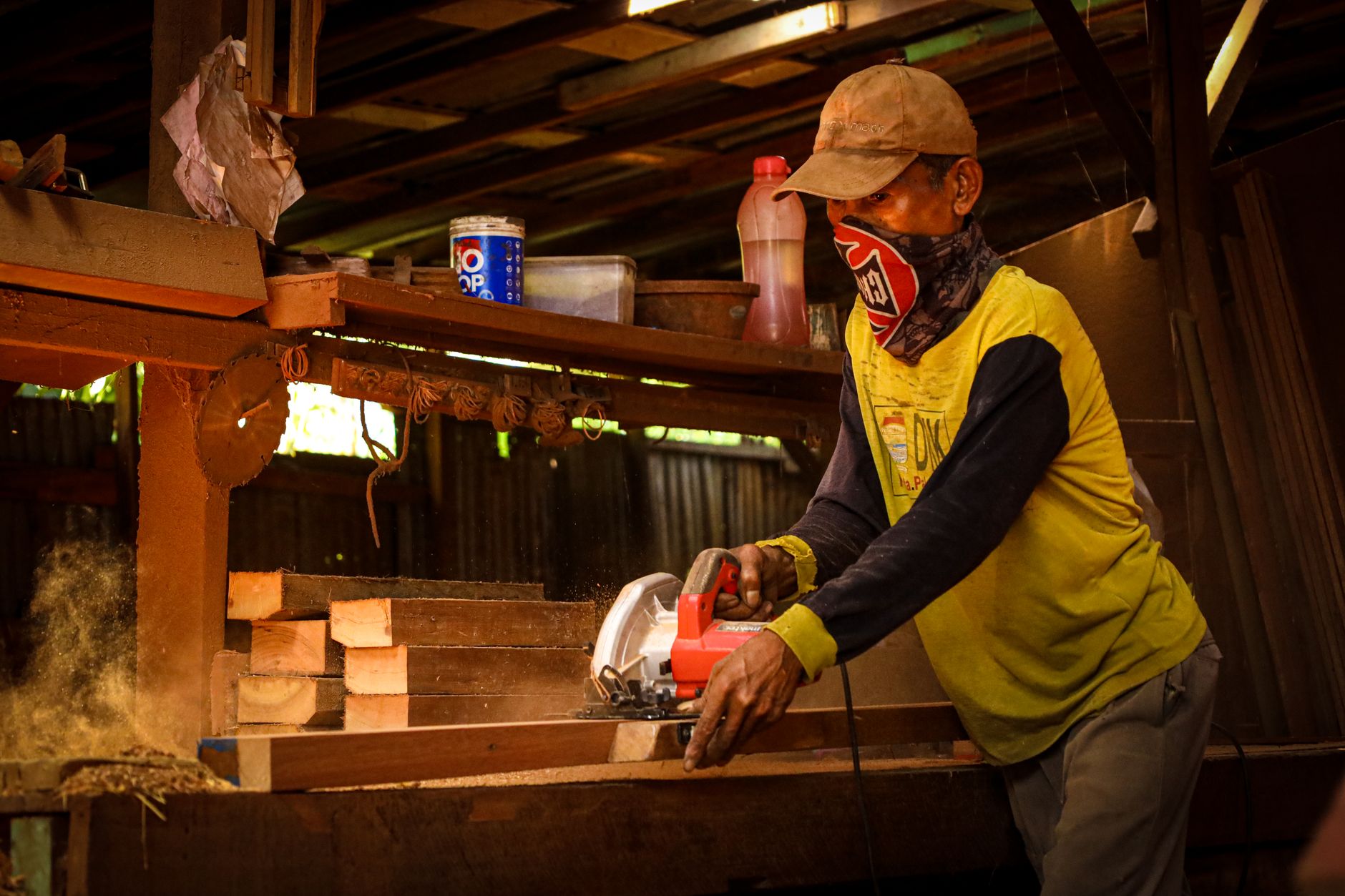
Calculate common rafter length from run, rise, and overhang, see a full worked example, and learn how to round up to stock lumber sizes.

Open decks carry close to the full ground snow load with no roof to protect them. How the load is set for decks, covered porches, and pergolas.

When roof snow load gets risky, ground-based raking beats waiting. Here's how to judge the timing and clear snow without climbing up.
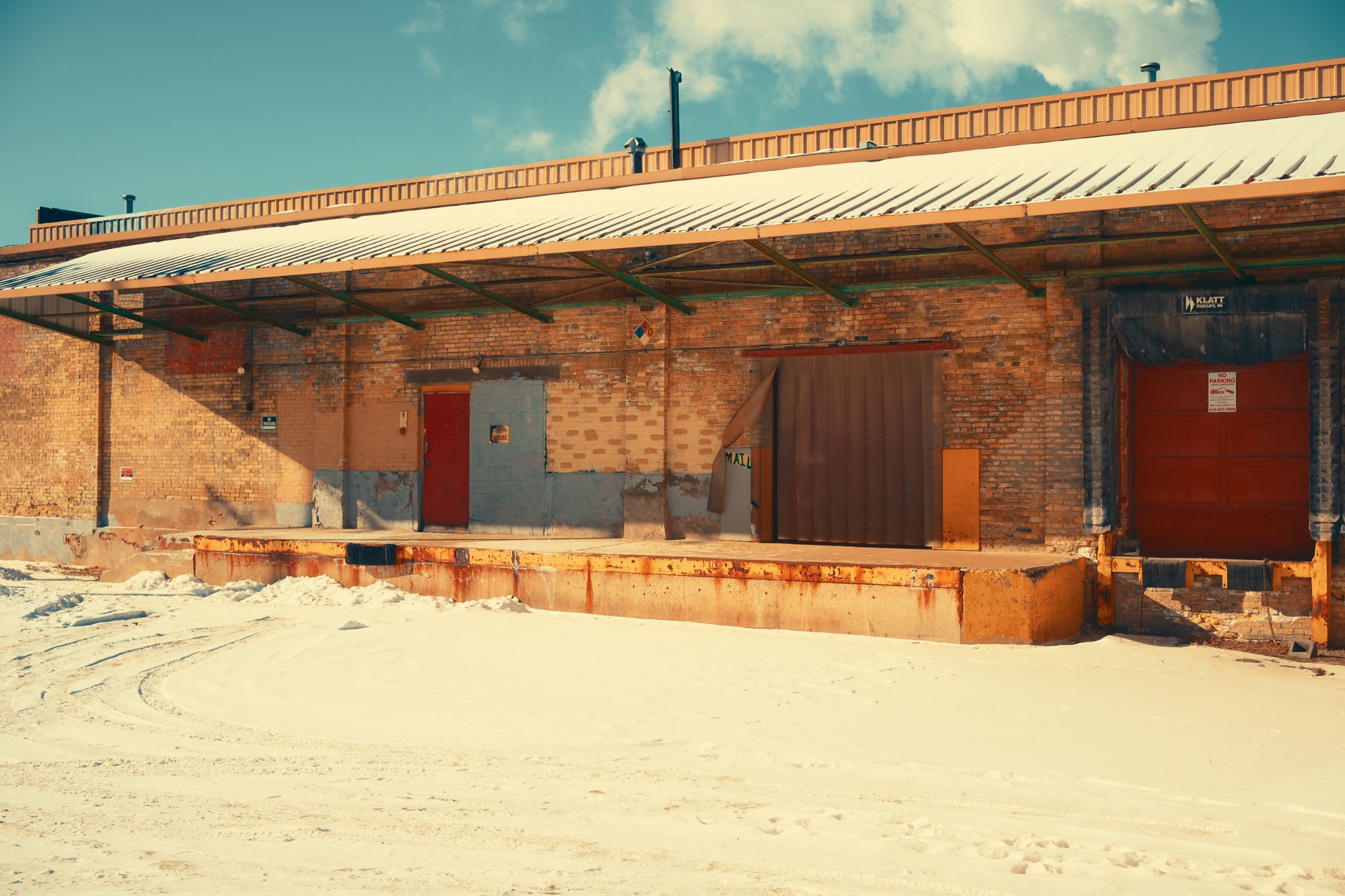
Why metal counts as a slippery surface under ASCE 7, how that changes the slope factor, and what pole barn and steel building owners should check.
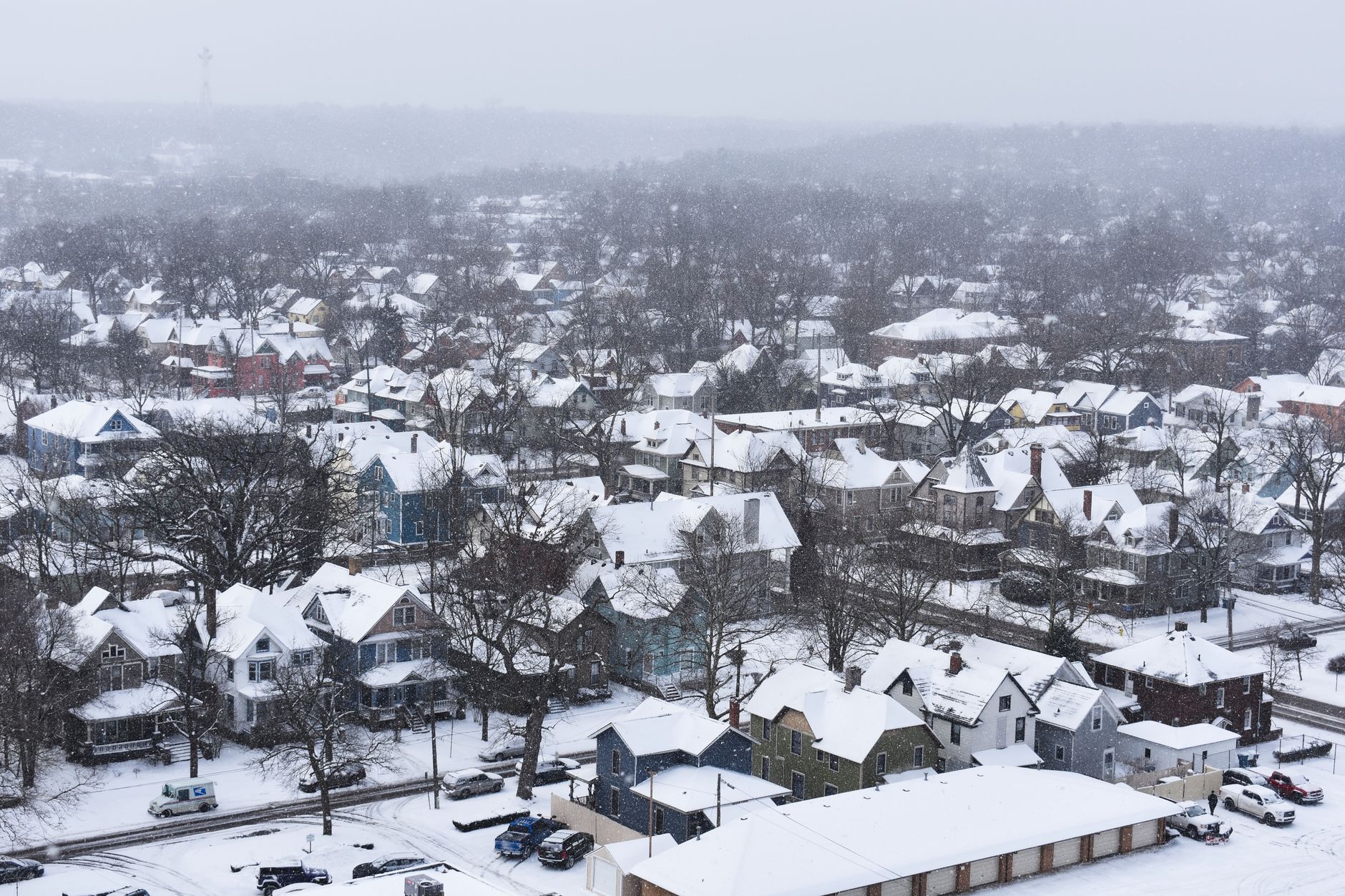
Typical ground snow load ranges for every US region, from near-zero Gulf Coast to 150+ psf in mountain case-study zones. Find your state's range.
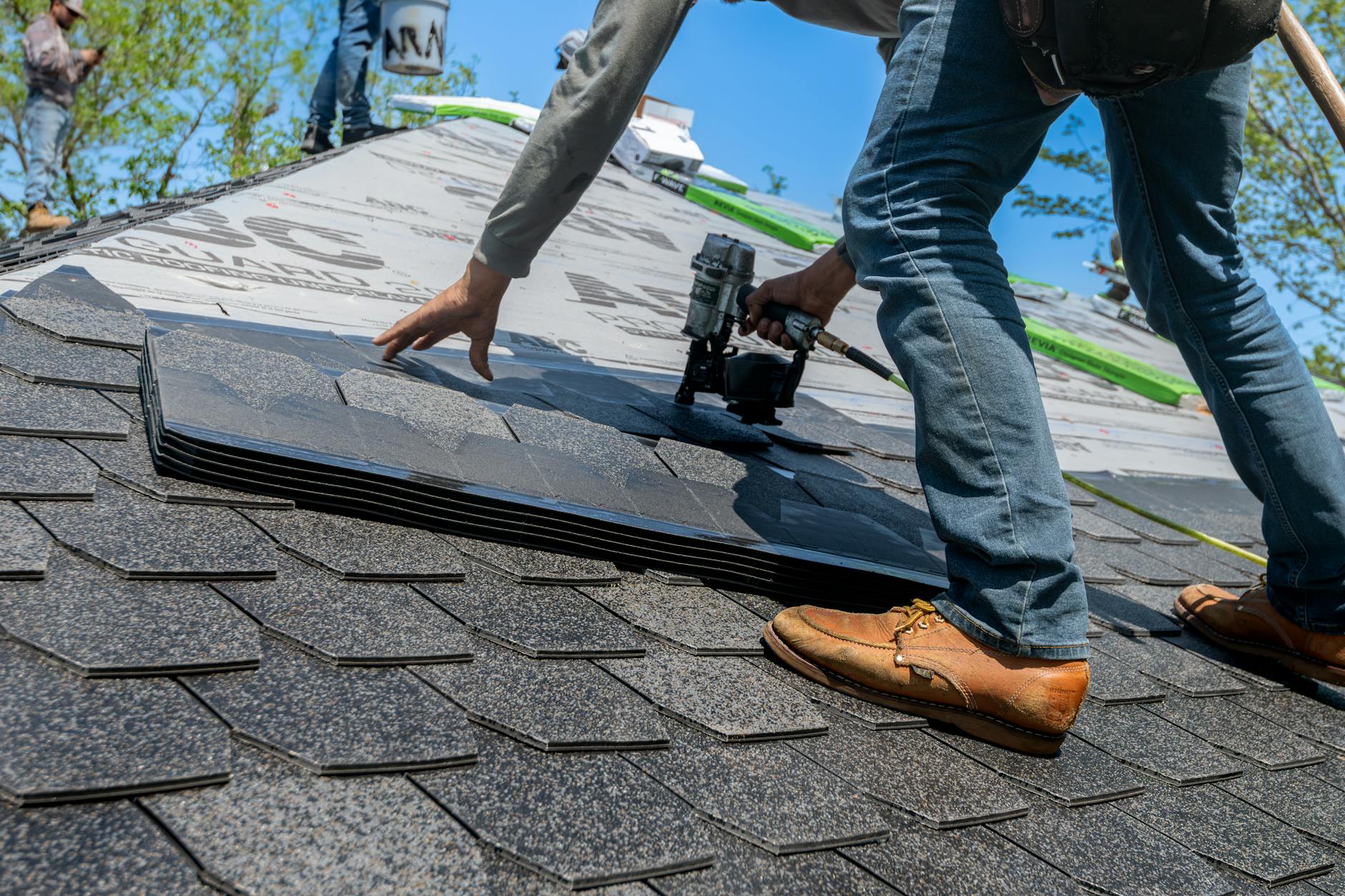
A material-by-material breakdown of 2026 roof replacement costs, from asphalt shingles to standing-seam metal, plus a worked cost example.

Calculate roof pitch from rise and run, measure an existing roof safely, and use a full reference chart with angle, slope percent, and roof factor.
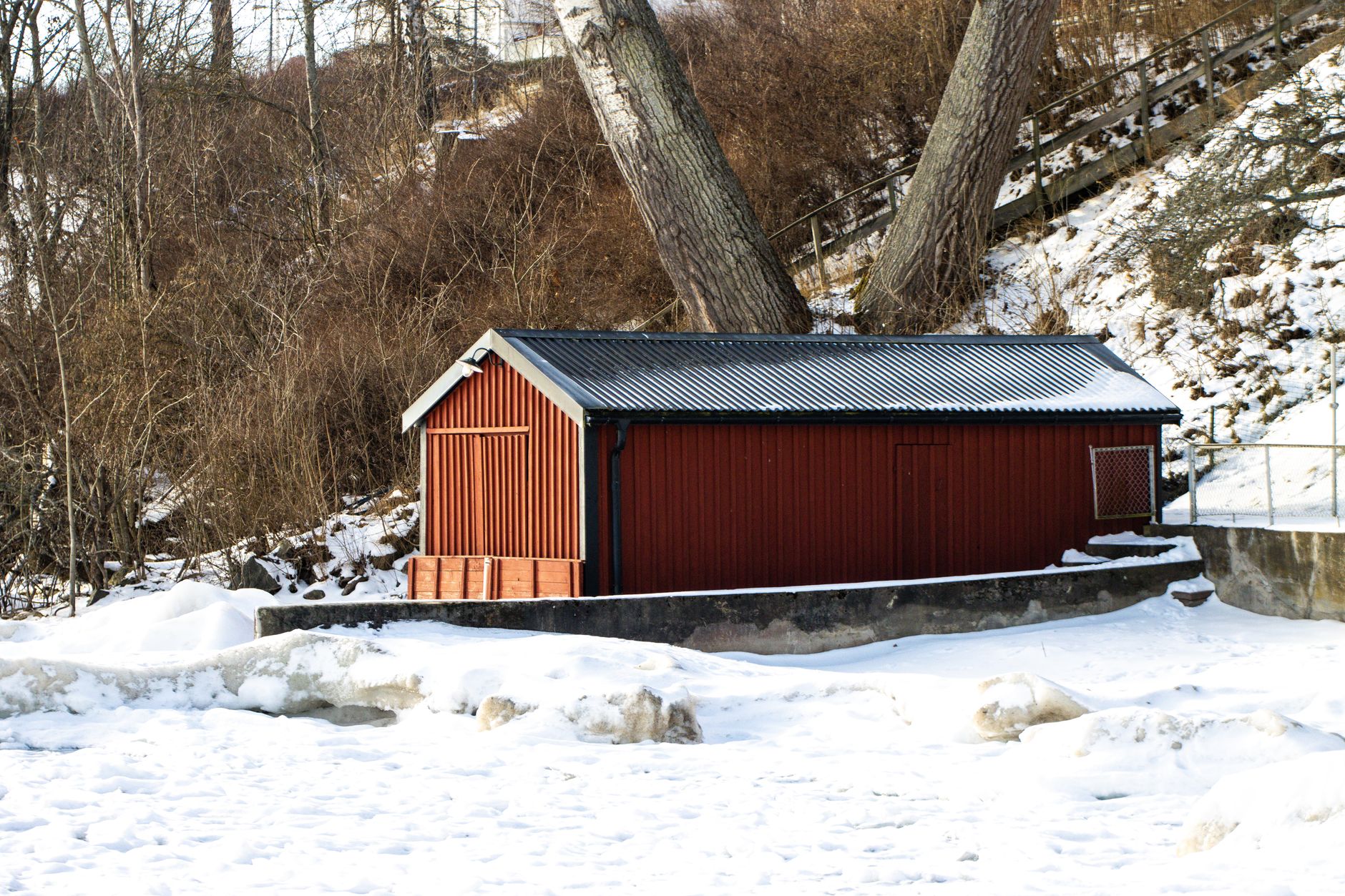
Sheds and detached garages often have minimal framing. Here is the ASCE 7 process for finding their design snow load, plus a pre-season checklist.
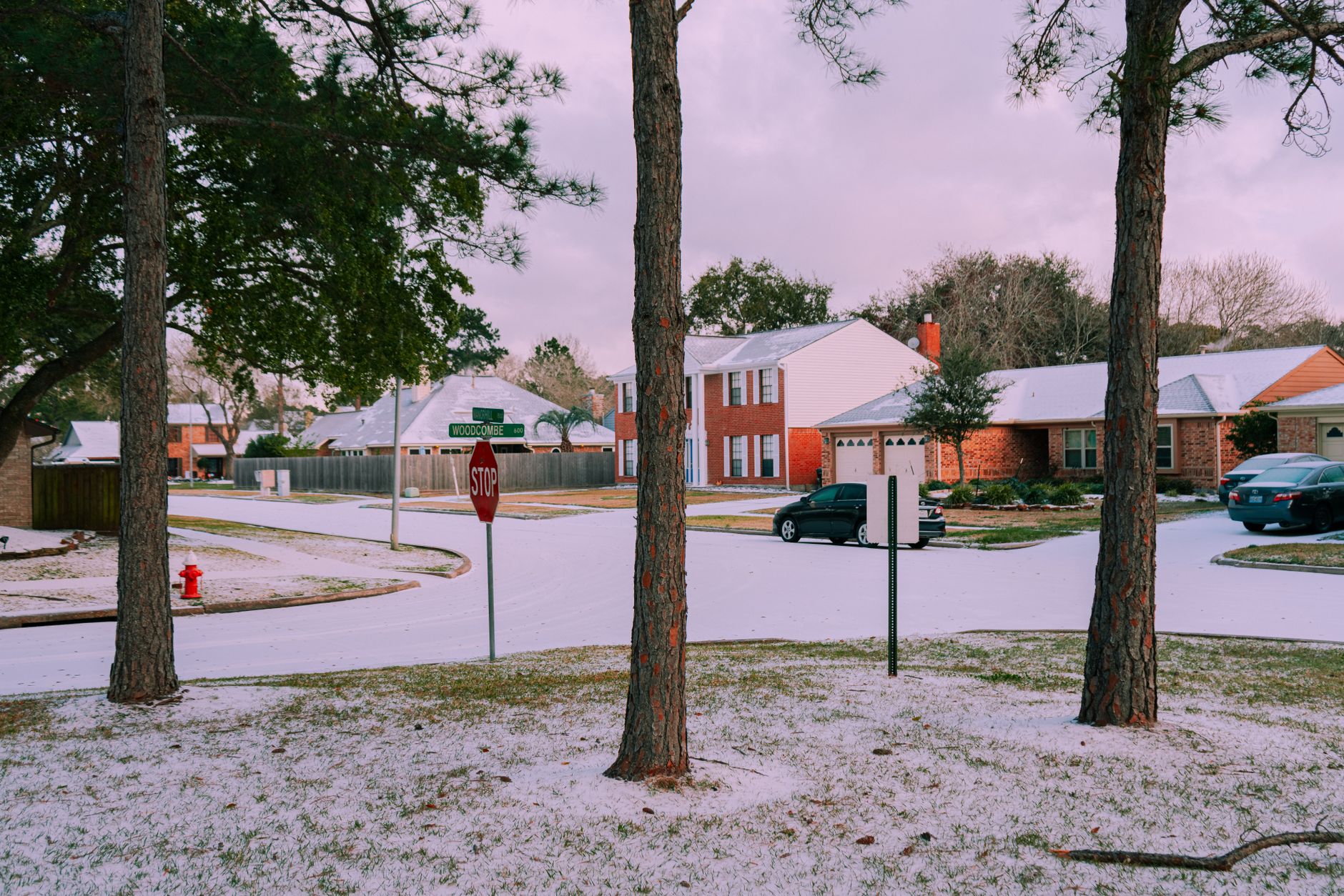
Most code-built US roofs carry 20 to 40 psf of snow. Here's how design loads vary by region and how to estimate what's on your roof now.
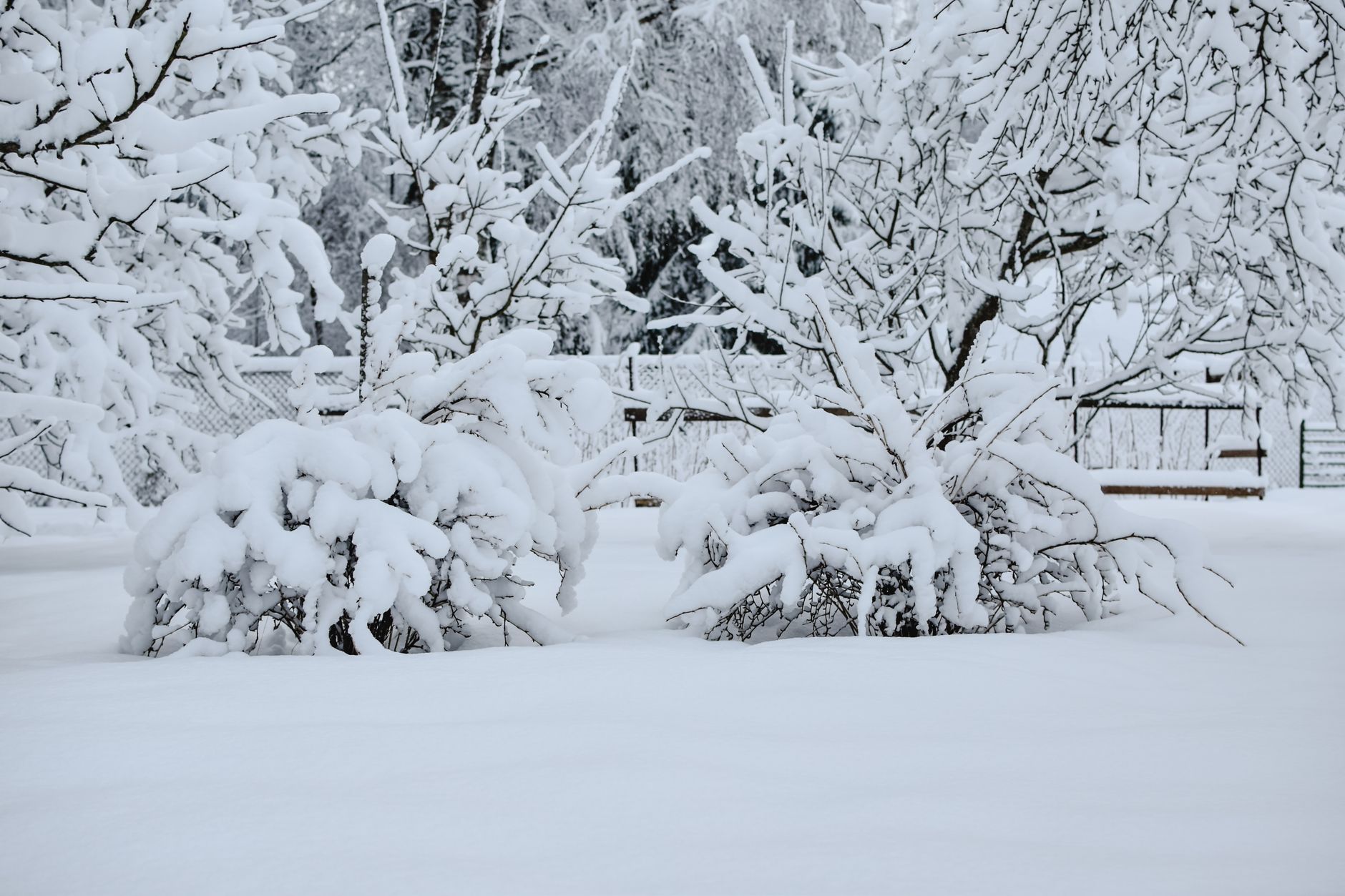
A data-driven look at snow density, from 3 pcf powder to 30 pcf wet snow, and how each translates into roof load in psf.
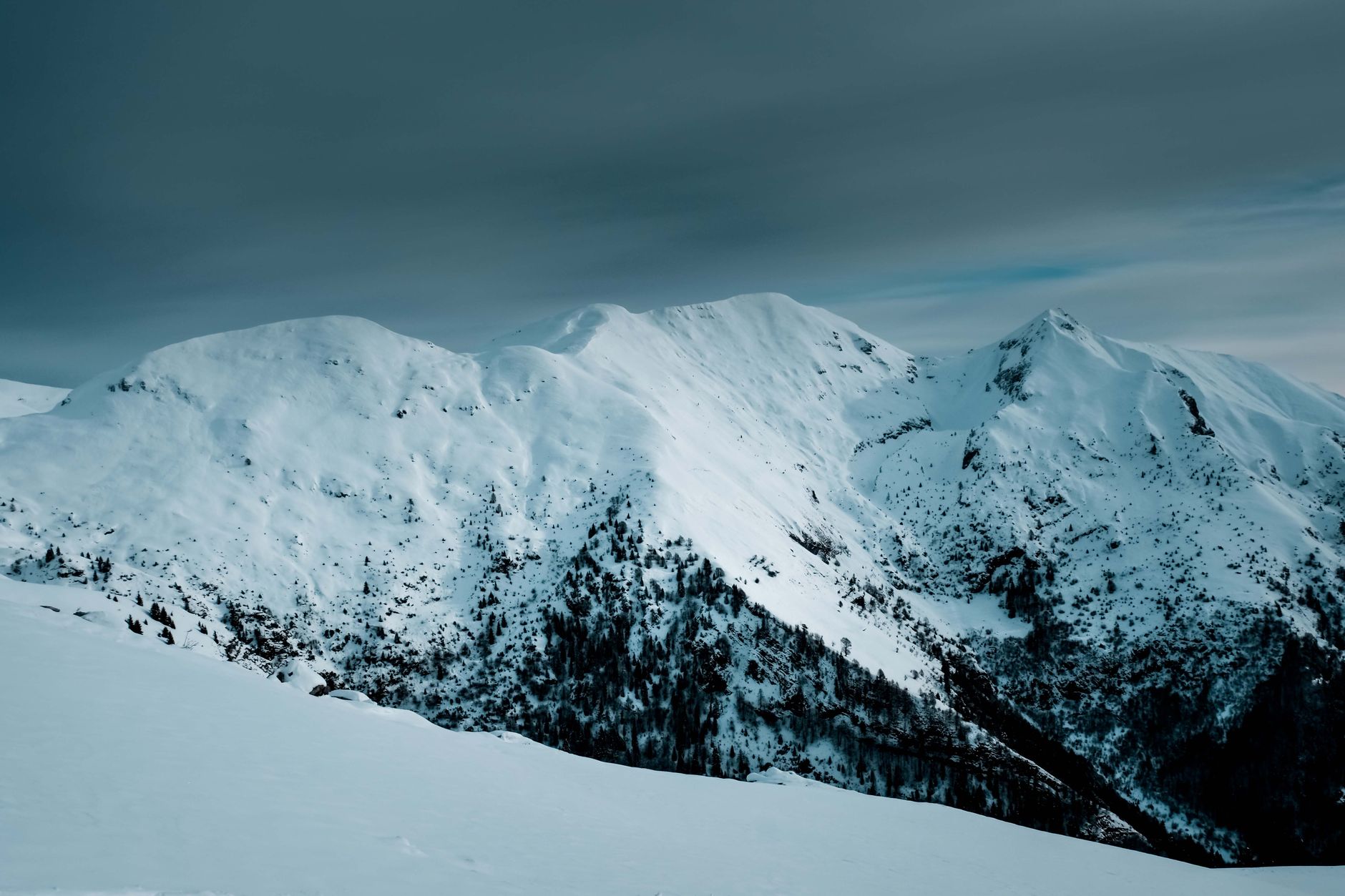
Ground snow load (Pg) drives every roof snow calculation. Learn how the maps get built, why it varies by the mile, and where to find your exact value.
How ASCE 7 section 7.9 sizes the sliding snow surcharge from a slippery upper roof onto a lower roof or walkway, with a worked example and a hazard table.
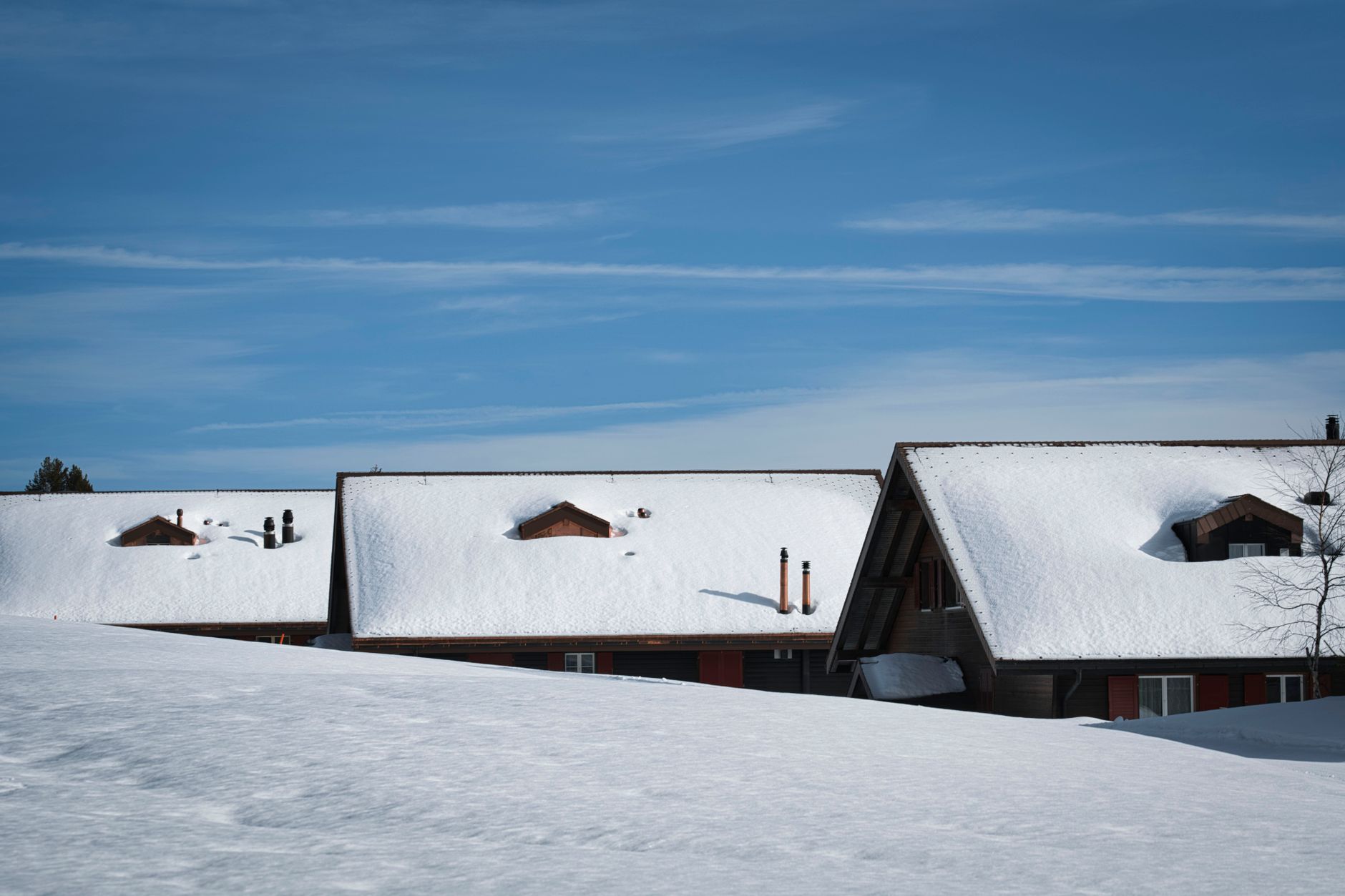
A step-by-step way to compare the snow on your roof to its design load, spot warning signs, and decide if you need to act.
How snow drift loads form at roof steps and parapets, the ASCE 7-22 formula to size them, and where they catch designers off guard.
A step-by-step ASCE 7-22 walkthrough for roof snow load: ground snow load, the flat-roof equation, the slope factor, and the minimum load check.