Roof Collapse from Snow: Warning Signs to Know
Sagging ceilings, sticking doors, and cracking sounds are how a stressed roof talks before it fails. Here's how to read them and act fast.
- ›A roof collapse almost never happens without warning signs in the hours or days before.
- ›Sticking doors and windows are often the first sign homeowners notice, before any visible ceiling damage.
- ›A single loud crack, ongoing creaking, or visible ceiling sag calls for immediate evacuation of the room below and a call to a professional.
- ›Inspect attic framing after every heavy-snow winter, even if the roof showed no signs of trouble.
A roof collapse makes the news as a sudden event, but the structure almost always spends hours or days sending signals first. Doors that will not latch, a ceiling that looks slightly different than usual, a creak that is louder than the normal winter settling; these are not random annoyances during a heavy snow winter, they are data. Reading them correctly, and reacting fast when they escalate, is what separates a close call from a headline. This guide walks through the visual, operational, and audible warning signs in the order homeowners typically notice them, with a clear severity scale for what each one means and what to do about it.
Visual signs: what to look for inside
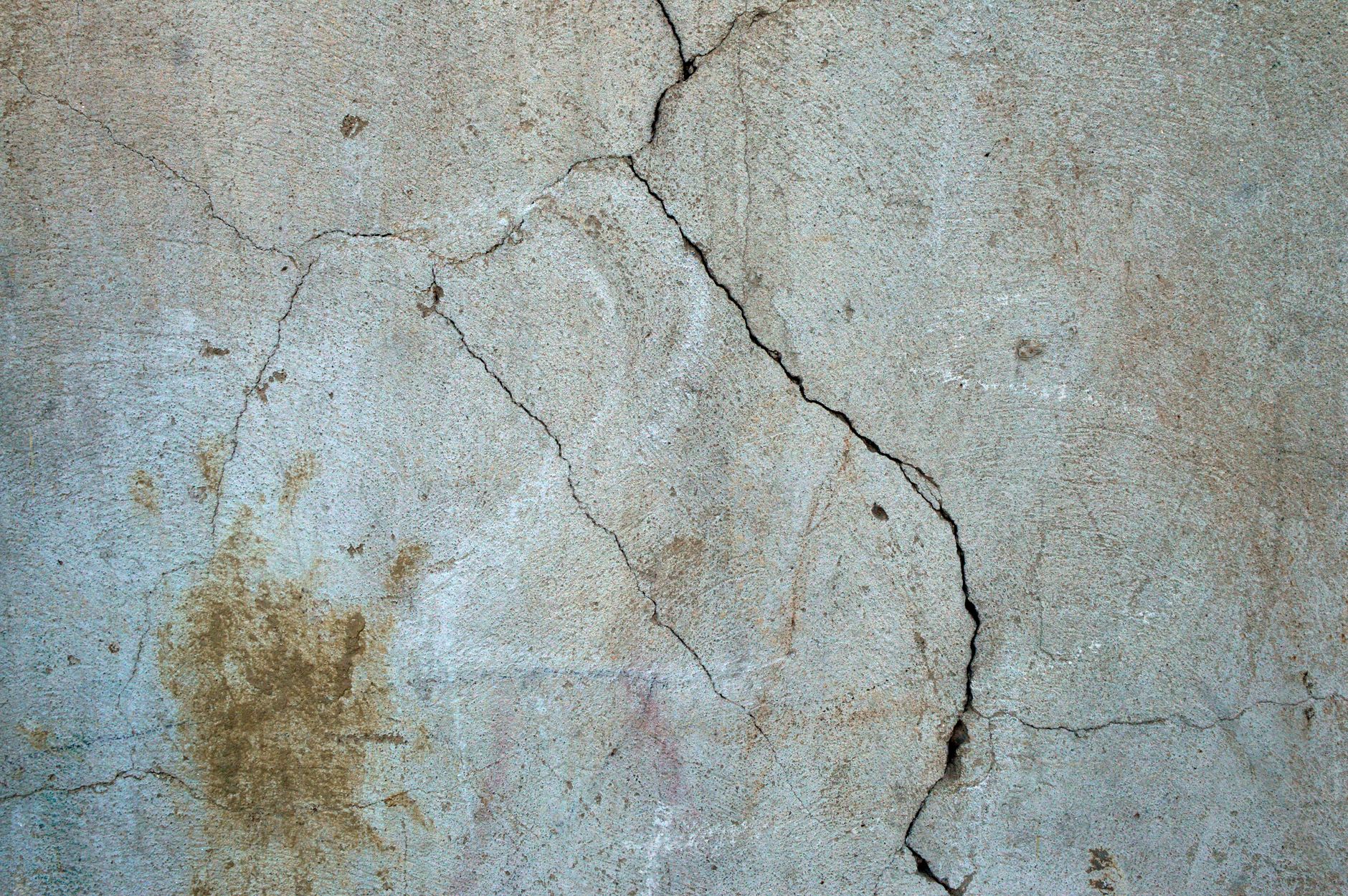
Start with ceiling drywall, especially in the center of wide rooms where framing spans are longest and deflection shows up first. A new sag, bow, or a soft spot you can push slightly with light pressure is a sign the structure above is bending under load. New drywall cracks matter more than old ones; look specifically for diagonal cracks radiating from the top corners of doors and windows, since that pattern shows the frame around the opening is racking, not just settling in a straight line. If you can safely access the attic, look directly at the rafters or trusses for visible bowing or bending along their length; a straight member that now has a visible curve is carrying more than it was built for.
From outside, and only from ground level, a visibly sagging ridge line or a roof plane that looks wavy rather than straight against the sky is a serious sign, usually further along than anything you would catch from inside first. Binoculars from the driveway or a neighbor's yard are a safer way to check a roofline than walking the perimeter directly under the eave, where falling snow or ice is a real risk.
Operational signs: doors and windows that stop behaving
This is often the very first sign homeowners actually notice, before anyone thinks to look at the ceiling. Interior doors that used to close easily start sticking at the top corner, will not latch fully, or in more advanced cases pop open on their own. The mechanism is straightforward: as roof framing deflects under snow load, the walls and door frames below shift slightly out of square, and a door that used to swing freely into a square frame now catches on a frame that is not square anymore. If several doors in the house start acting up around the same time, especially near the loaded section of roof, treat it as a structural signal, not a maintenance annoyance.
Sounds: what your roof is telling you
Wood and metal framing make noise as they respond to temperature changes; a few pops and creaks on a very cold night, especially right after sunset or before sunrise when temperatures swing fastest, are normal thermal movement and not a snow load concern on their own. What is different is creaking or popping that is frequent, loud, or continues under a static, unchanging load, meaning the temperature is not swinging but the sounds keep coming anyway. A single loud crack, distinct from the usual pattern of small pops, is the most urgent audible sign and should be treated as a possible failure warning, not background noise.
What's actually failing when a roof gives way
Most snow-related roof failures do not start with a framing member snapping cleanly in the middle. They start at a connection: a rafter pulling away from a ridge board, a truss losing its grip on a top plate, or a fastener that was undersized for the load working loose under repeated cycles of bending and partial recovery. Drift load is a common trigger, since wind-piled snow at a roof step, parapet, or behind a rooftop unit can load one section of a roof far beyond the uniform balanced load the rest of the structure sees. Older buildings with simple ridgeboard framing rather than an engineered ridge beam are particularly vulnerable to this kind of concentrated, uneven load.
The severity scale: matching signs to urgency
Not every sign calls for the same response, and treating a sticking door with the same urgency as a loud crack helps no one. The table below sorts common signs by urgency and gives the matching action, from routine monitoring up to immediate evacuation.
What to do the moment you notice a warning sign
For lower-urgency signs, keep monitoring and compare against your load estimate; for anything rated high or severe, the response is the same regardless of the exact sign: move people and pets out of the room or area below the stressed section immediately, do not attempt to get on the roof yourself, and call a structural engineer or licensed contractor right away. While you wait, it may be reasonable to carefully clear the eave from the ground with a roof rake if it is safe to stand well clear of the structure, but do not enter the attic to investigate further if sounds are ongoing; the space directly under the stressed framing is exactly where you do not want to be.
Who to call: structural engineer or contractor?
For anything rated high or severe on the scale above, a licensed structural engineer is the right first call, since their job is specifically to evaluate whether a structure is safe and what it will take to make it safe again, independent of who ends up doing the repair work. A general contractor or roofing company can be a reasonable second call once the structural question is answered, to handle the actual repair. If you are not sure which to call first and the situation feels urgent, call your local emergency non-emergency line or fire department; they can advise on immediate safety and connect you with the right follow-up resources.
Why waiting for spring is a mistake
A roof that survives a heavy-snow winter without visible failure has not necessarily come through unscathed. Repeated near-design-load events can leave connections weakened, fasteners partially pulled, or members with permanent, invisible-from-below deflection that reduces the roof's capacity for the following winter even though nothing looked wrong at the time. Have your attic framing checked after every winter with sustained heavy snow, not just after a scare. It is a short inspection that catches fatigue damage long before it becomes next year's emergency.
Documenting damage for insurance
If you do experience a partial collapse, sagging beyond cosmetic settling, or significant cracking, photograph everything before any cleanup or repair begins: the affected room, the crack pattern, the attic framing, and the snow accumulation itself if it is still measurable. Many homeowners policies cover sudden collapse caused by the weight of snow, ice, or sleet as a named peril, but coverage details, exclusions, and documentation requirements vary by policy and insurer. Contact your insurance company as soon as it is safe to do so, and confirm what documentation they need before you start repairs.
Can a roof collapse without any warning at all?
It is rare, but not impossible, particularly with a sudden, catastrophic failure at a single weak connection rather than a gradual overload across the whole structure. That is exactly why the broader safety habit matters more than any single sign: know your design load, track your current estimate through the winter, and treat the 75% threshold as your cue to act, rather than waiting for a sign that might come too late or not come at all.
Is occasional creaking in cold weather always a bad sign?
No. Wood framing expands and contracts with temperature, and a house that is dead silent through a hard freeze would be unusual. The distinction is pattern: occasional pops tied to temperature swings are normal, while frequent, loud, or sustained sounds under a snow load that is not changing temperature-wise are the ones worth treating seriously.
| Sign | Urgency | What to do |
|---|---|---|
| Doors or windows sticking or popping open, no other symptoms | Watch | Recheck daily; compare to your load estimate |
| New hairline cracks at door or window corners | Elevated | Rake the roof from the ground; photograph and monitor cracks |
| Visible rafter or truss bowing seen from the attic | High | Stop using the space below; call a structural engineer promptly |
| Ceiling sagging or bowing, especially room center | High | Move people and pets out of the room below immediately; call a professional |
| Persistent or loud creaking or popping under static load | High | Do not enter the attic; call a structural engineer now |
| Single loud crack, visible new sag, or audible failure sound | Severe / emergency | Evacuate the area immediately; call emergency services and a structural engineer |
Get your design roof snow load in seconds with the free ASCE 7-22 calculator.
Open the calculatorFrequently asked
01How much snow does it take to collapse a roof?+
There's no single number; it depends entirely on your roof's design load versus the actual weight on it, which depends on depth and density, not depth alone. A small amount of dense, wet snow can outweigh a much deeper layer of powder.
02Are flat roofs more likely to collapse than pitched roofs?+
Flat and low-slope roofs carry the full snow load with no shedding benefit from slope, and they're also prone to ponding if drains clog, so they generally deserve closer winter monitoring, though a poorly built or overloaded pitched roof can fail too.
03Should I turn off utilities if I suspect a roof is about to fail?+
If you have any doubt about your safety, evacuate the affected area first and let emergency responders and a structural professional advise on utilities; don't delay leaving a room to deal with a breaker panel or gas valve underneath a compromised structure.
04How do I know if a crack in my ceiling is serious?+
Small, straight hairline cracks that have existed for years without changing are usually cosmetic settling. New cracks that appeared during or right after a heavy snow load, especially diagonal ones at door or window corners, or cracks that are visibly widening, are a structural warning sign.